




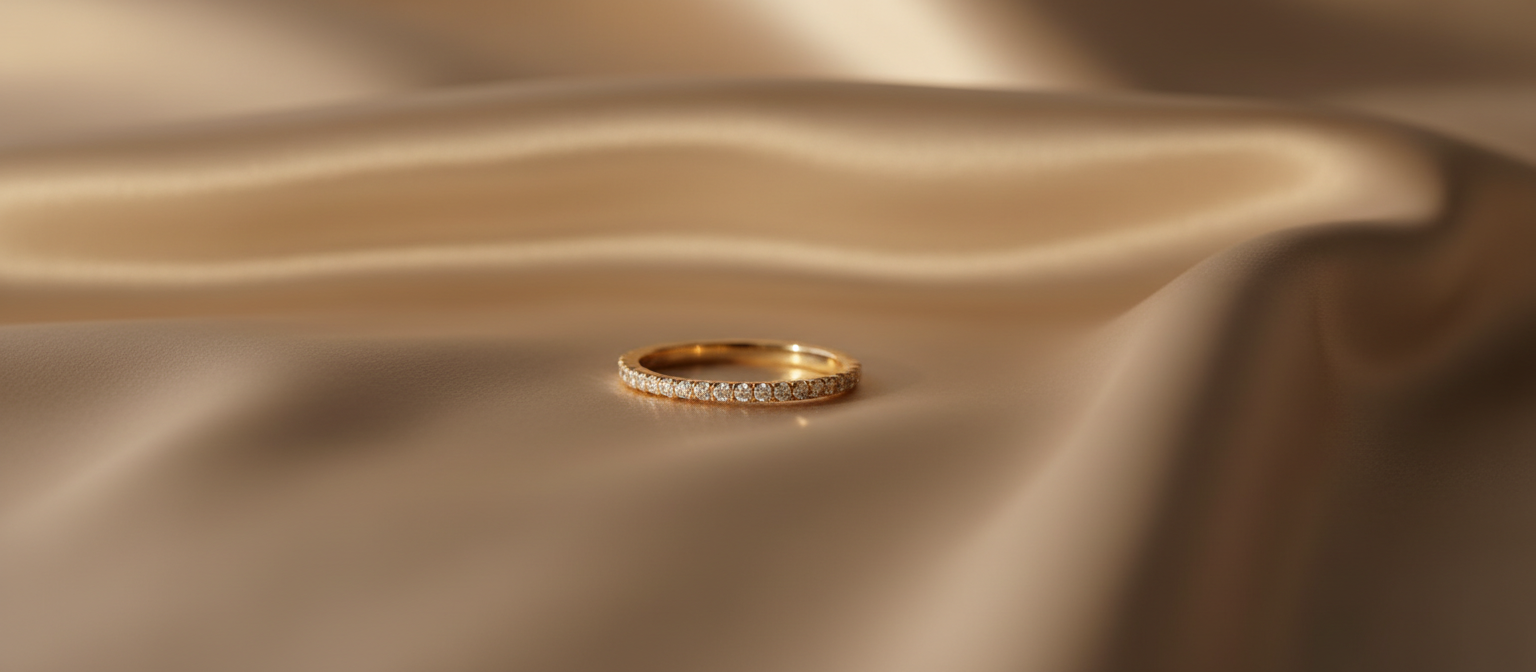

Engagement Ring Guide: How to Choose the Right Ring

Choosing an engagement ring is a deeply personal decision. It is a piece of jewellery that marks an important moment, but it is also something you may wear every day for years to come.
With so many diamond shapes, settings, metals and design options available, knowing where to begin can feel overwhelming, especially if this is your first time buying a diamond ring.
A diamond ring shopper doesn't need to become an expert in diamonds. If you understand a few fundamentals, you've narrowed your choices sufficiently to select the ideal engagement ring.
In the engagement ring guide, Taniah Jewellery walks you through the key things to consider, from setting a budget and understanding diamonds to choosing a setting, metal, and ring size.
Where Should You Start When Choosing an Engagement Ring?

Before looking at individual rings, it helps to understand the main decisions involved.
An engagement ring has all the elements listed below.
- diamond or centre stone
- diamond shape
- setting
- metal
- ring size
- gemstones, if included
- The overall style and proportions of the design
No single combination is correct. The engagement ring should reflect the wearer and fit within budget constraints.
The most important part of any engagement ring is the diamond in the centre. This is the first decision you need to make. Check out this page to see our guide on things to know about diamonds when shopping.
Here are some things to consider:
The setting is the metal that holds the stone in place. There are several different types, including prong, bezel, and halo settings.
Consider your partner's lifestyle. This will help you decide which metal might be the best choice. Platinum and white gold bands may be best for people with more active lifestyles. Yellow gold is the classic choice. There are also rose gold bands.
If you need any more advice, follow the links on this page. We wish you luck with your search!
A simple way to approach the process is to consider these decisions in order:
Budget → personal style → diamond → setting → metal → ring size → final details
The good thing is that you don't have to make most decisions one by one. Some decisions, such as metal selection, will determine your choice of setting and the rest of the ring.
Set an Engagement Ring Budget That Feels Right for You

An important part of this process is figuring out how much you are willing to spend.
There is no correct answer, as some traditional methods (such as spending a certain number of months’ salary) are meaningless for many people.
Think about where you stand financially, and figure out a range that feels comfortable for you before you start looking at rings.
A budget is really helpful for figuring out your engagement ring priorities.
For example, you can potentially:
- Choose a larger diamond while being more flexible about colour or clarity.
- Prioritise diamond cut and overall appearance.
- Choose a distinctive setting and a more modest centre stone.
- Invest in a particular precious metal.
- Allocate more towards a custom design.
Understanding your preferences and priorities is also important when looking at the different options available.
Taniah Jewellery also recommends setting a budget before shopping so you can focus on options within a realistic price range and understand where you may want to compromise between different diamond characteristics.
Consider Your Partner’s Personal Style

When choosing an engagement ring, it should feel like it represents the wearer's personal style.
It’s easy to pick something out if you know the person’s preference, but sometimes if you are surprising them, you can refer to the Jewellery they already have. Their existing pieces can give you insight into their preference regarding style, metal and level of detail
Consider:
- Do they wear yellow, white or rose-coloured metals?
- Do they prefer delicate jewellery or bolder designs?
- Their existing pieces classic, modern, vintage-inspired or minimalist?
- Tend to wear simple pieces every day?
- Do they already wear rings, and if so, what do they look like?
- Would they prefer a traditional design or something more distinctive?
- You can even ask a close friend or family member for their opinion!
The way your partner’s personal style clashes with a trendy design is a good indicator of the style you should choose. An engagement ring is styled according to the wearer’s preference, and it’s designed to stand the test of time, so you should style it accordingly.
Understand the Main Parts of an Engagement Ring
If you are new to jewellery, engagement ring terminology can seem confusing at first.
Understanding the basic components makes the rest of the buying process much easier.
Centre Stone
The central stone that catches your eye is usually a large diamond or gemstone.
A traditional diamond engagement ring typically consists of one centre diamond, though some designs use two or three main stones.
Setting
The setting is the structure that holds the central stone in place. The setting helps define the ring's appearance, and there are several types to consider.
For example, a setting that is solitaire focuses on a single main stone, whereas a halo setting surrounds the central stone with smaller stones.
Band
The band is the part of the ring that encircles the finger. The band can have numerous designs, and its width and shape can help define the ring's character.
Side Stones
Some engagement rings include additional diamonds or gemstones surrounding the centre stone. These can contribute sparkle, contrast, or detail to the design.
Knowing these basic elements can help you explain your preferences when choosing an engagement ring.
Choose a Diamond Shape

One of the first choices to consider is the centre diamond's shape.
The shape of a diamond refers to the diamond’s outline when you see it from above. Your choices include:
- Round
- Oval
- Cushion
- Emerald
- Princess
- Radiant
- Pear
- Marquise
- Asscher
- Heart
Each shape has its own character.
An oval diamond creates a longer shape, while a round diamond offers a more classic look. An emerald shape has a more refined step cut, while a cushion diamond has a softer shape.
The decision is about personal preference.
It is also worth knowing that diamond shape and diamond cut are different terms. Shape refers to the diamond’s silhouette, while cut refers to how a diamond has been faceted and shaped to interact with light.
Taniah Jewellery believes understanding the difference between diamond shape and cutting style is essential when choosing a diamond engagement ring.
For more details, check out Taniah Jewellery’s guide to ring styles and settings in engagement rings.
Understand the Diamond 4Cs
If your engagement ring includes a diamond, you will encounter the 4Cs of diamond quality:
- Cut
- Colour
- Clarity
- Carat Weight
The 4Cs provide a standardised way to describe and compare diamonds. The Gemological Institute of America (GIA) created the 4Cs and was the first to provide this systematic approach to diamond quality.
Each C tells you something different.
Cut relates to the diamond’s proportions, symmetry, and polish, and it significantly influences how it interacts with light.
Colour describes the presence or absence of colour in a diamond within the relevant grading scale.
Clarity refers to internal features known as inclusions and surface characteristics known as blemishes.
Carat weight refers to the diamond’s weight, rather than simply its visible size.
While it is important to understand the 4Cs, keep in mind that you should evaluate a diamond as a whole. Understanding what matters most to you will help you set your priorities.
For a deeper explanation of each characteristic, see Taniah Jewellery’s Learn About The 4Cs guide.
Choose Between Lab-Grown and Natural Diamonds

Another decision you may encounter is whether to choose a lab-grown diamond or a natural diamond.
Natural diamonds are the result of natural geological processes, and lab-grown diamonds are artificial.
Both types of diamonds have their own advantages, and it is important to decide which matters most to you.
There isn't necessarily a right answer as to which is better... Think about what you value most.
Taniah Jewellery’s Lab-Grown Diamonds vs. Natural Diamonds guide provides a more detailed comparison to help you make an informed choice.
Choose an Engagement Ring Setting Version
The setting of an engagement ring affects its appearance and comfort level.
Some of the more popular settings are:
Solitaire
Solitaire settings put a single diamond in the centre of the ring. This is a good choice for people who like clean and timeless designs.
Halo
A halo setting surrounds the centre stone with smaller stones, creating an elegant, more eye-catching look.
Three-Stone
This setting features three larger stones and is a good choice for those looking for a more balanced, beautiful design.
Bezel
A bezel setting surrounds the centre diamond and provides a more contained look.
Side-Stone Designs
You can add diamonds to the outer band for extra detail and beauty.
Your comprehensive guide to Lab-Grown vs. Natural Diamonds provides a detailed comparison to help you decide.
Taniah Jewellery’s comprehensive guide to Lab-Grown vs. Natural Diamonds will provide you with a detailed comparison to assist you with your decision.
The right appearance is only part of the decision-making process when it comes to getting a ring, you also have to consider how you will wear it.
A more active person may prefer a flatter, lower-profile setting, which is also less likely to snag on clothing or other objects during the day. Someone who wears more elaborate jewellery may prefer an elaborately styled setting with more embellishment.
Explore Taniah Jewellery’s Engagement Ring Styles & Setting Type guide for a closer look at the different options.
Choose the Right Metal

The metal forms the foundation of the ring and contributes to its colour, appearance and character.
Common choices include:
- Yellow gold
- White gold
- Rose gold
- Platinum
Your partner’s existing jewellery can be a useful guide here.
If your partner prefers yellow gold jewellery, that may be the best pick to match their existing collection. If their jewellery collection is more white, then white gold or platinum may look best.
You should also consider the design itself. Some diamond shapes and settings can look very different depending on the metal surrounding them.
You also need to consider the design because some diamond shapes can look totally different in varying metals.
For a deeper understanding of the characteristics of different precious metals, see Taniah Jewellery’s Learn About Precious Metals guide.
Think About Lifestyle, Not Just Appearance
An engagement ring is something you wear every day. Remember that it’s not just how something looks that matters when deciding on a ring.
Consider daily activities and how they'll affect your choice of ring.
For someone who works with their hands, exercises frequently, or enjoys outdoor activities, a lower-profile, secure design may be practical.
If someone's lifestyle is less demanding on their hands, they may have more flexibility to choose a detailed or higher-profile setting.
An active individual certainly could have a detailed ring, and a minimalist wearer could have a simple design. A ring should be worn comfortably in the way it will actually be worn.
GIA agrees that lifestyle should be considered when selecting a setting, specifically when the ring may receive 'impacts' or may 'catch' during the 'activities of daily living.
Find the Right Ring Size
The most important part of selecting an engagement ring is getting the correct ring size. This is particularly important for a surprise proposal. If you can't take their measurement, you can use one of their rings that fits properly to estimate the size. If the proposal is not a surprise, you can ask for their ring size directly.
Remember, different countries may use different ring sizing systems, so a ring that is a certain size in one country may be sized differently in another.
Consult Taniah Jewellery’s guide, Find Your Ring Size, for detailed instructions on how to measure for ring sizes or international ring sizing.
Think About the Wedding Band Too
An engagement ring does not exist in isolation.
When you place a wedding band next to your engagement ring, consider its shape.
The style and height of the engagement ring's setting determine if there is a gap between the two rings. The design and width of the wedding band also matter when the two rings sit side by side.
You don't have to buy the wedding band and the engagement ring at the same time. If you consider how the two rings will look together, you will have more options for both.
If you are already thinking about the next stage, Taniah Jewellery’s Wedding Ring Guide can help you explore the options.
Decide Whether to Choose a Ready-Made or Custom Ring
Some people know exactly what they want when they begin shopping. Others have a collection of ideas but cannot find one existing design that brings them together.
A ready-made engagement ring can be a straightforward choice when you find a design that feels right.
A custom engagement ring offers another option: creating a design around your preferred diamond, setting, metal, and personal details.
Custom-made engagement rings can help make:
- specific diamond shape
- particular setting
- a meaningful design detail
- combination of elements from different styles
- ring created specifically around your preferences
Custom-made engagement rings can help achieve all of those dreams, but the process isn't as complex as the result may be.
Check out Taniah Jewellery’s Custom Ring Journey to find out more about the process!
Know What to Look for in a Jeweller
Choosing the right jeweller is just as important as choosing the ring.
A trustworthy jeweller should explain your options clearly and provide the information you need to decide.
Consider asking the following before purchasing:
- What information is available on the diamond?
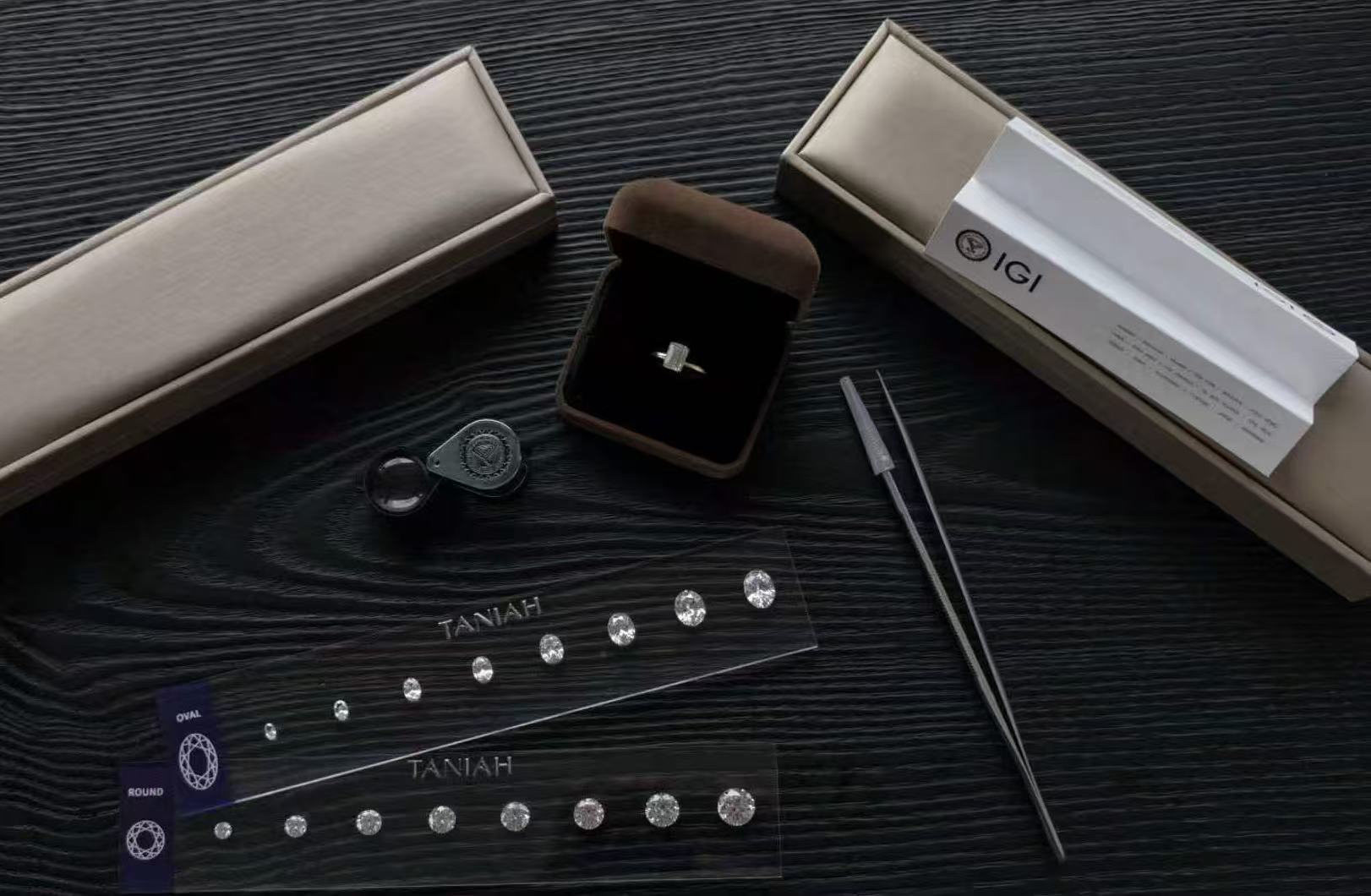
- Does the diamond include a grading report (if applicable)?
- What materials are used in the ring?
- Will ring resizing be an option?
- What are the after-sales services?
- What are the return and warranty terms?
- How long will the order take to be completed?
- Are the designs customizable?
- Who can answer questions if you need help after purchasing?
GIA advice is to work with a reputable jeweller, like Taniah Jewellery, who can clearly explain diamond quality and provide an independent diamond grading report with a diamond purchase.
The goal is not only to obtain a beautiful ring, but also to purchase something of value that brings assurance and understanding.
What Is a Diamond Grading Report?
If your engagement ring includes a graded diamond, a diamond grading report provides important information about the stone’s characteristics.
A diamond grading report evaluates various qualities of a diamond and includes information about the measurements, weight, colour, and clarity, among other details.
Diamond grading reports vary by laboratory and report type, so not all reports include the same information.
A grading report differs from an appraisal or insurance valuation. An appraisal assesses monetary value, while a grading report describes a diamond's characteristics under a laboratory grading system.
GIA describes its grading reports as an independent assessment of a diamond’s identity and quality and recommends reviewing appropriate grading documentation when purchasing a diamond.
Taniah Jewellery’s How to Read a Diamond Certificate breaks down diamond documentation and can assist in the understanding of the information within a diamond grading report.
Buying an Engagement Ring Online

Buying an engagement ring online may expand your options for designs and diamonds, but it also means you need to be extra careful about the information provided.
Before purchasing online, look for:
- Clear diamond specifications
- Appropriate grading documentation
- Detailed product images
- Ring dimensions and measurements
- Metal information
- Ring sizing information
- Customisation options
- Delivery timeframes
- Return and resizing policies
- Warranty or aftercare information
According to GIA, when online jewellers share price ranges for the 4Cs, it is recommended that you take the time to look for a legitimate laboratory report when purchasing a diamond. Taniah Jewellery also advises that two diamonds that are rated the same can look completely different. In that case, online 360° pictures can help.
A good online jewellery vendor makes buying jewellery clear and straightforward.
Questions to Ask Before Buying an Engagement Ring
Before making your final decision, it can help to work through a few simple questions:
About the wearer
- What styles of Jewellery do they like?
- What metal color(s) do they usually wear?
- What kind of lifestyle do they have?
- Would they prefer something classic, modern, understated or distinctive?
About the diamond
- Which diamond shape do I prefer?
- Which of the 4Cs matter most to me?
- Lab-grown or natural diamond?
- Does the diamond have valid grading reports?
About the ring
- Is the setting practical for everyday wear?
- Is the ring the correct size?
- Will it work with a future wedding band?
- Would a custom design make sense?
About the purchase
- Is the price in my budget?
- What are the costs for resizing?
- What are the return and warranty policies?
- What aftercare is included?
- How long will it take for the ring to be ready?
Clear answers to these questions can make the final decision much easier.
Engagement Ring Buying Checklist
Before you purchase, use this checklist to make sure you have considered the essentials:
☐ Set a comfortable budget.
☐ Consider your partner’s personal style and lifestyle.
☐ Choose a preferred diamond shape.
☐ Understand the 4Cs and decide which characteristics matter most to you.
☐ Consider lab-grown and natural diamond options.
☐ Choose a suitable setting.
☐ Select the metal that complements the design and the wearer’s style.
☐ Confirm the correct ring size.
☐ Consider how the engagement ring will work with a future wedding band.
☐ Decide whether a ready-made or custom design is right for you.
☐ Review the diamond’s grading documentation where applicable.
☐ Understand resizing, returns, warranty and aftercare policies.
☐ Make sure you feel confident about the jeweller and the purchase.
Frequently Asked Questions
How do I choose an engagement ring?
Start by considering your budget, your partner’s personal style and lifestyle, then explore diamond shapes, the 4Cs, settings, metals and ring size. You don't need to decide everything at once; understanding the main choices will help you narrow your options.
What should I look for when buying an engagement ring?
Look for a combination of design, diamond quality, suitable materials, comfortable sizing, reliable information and a reputable jeweller. The ring should suit the person who will wear it while fitting comfortably within your budget.
How much should I spend on an engagement ring?
There is no universal amount that everyone should spend. Set a budget based on your own financial circumstances and priorities rather than following a fixed spending rule.
Which diamond shape is best for an engagement ring?
No single diamond shape is best. Round, oval, cushion, emerald, princess, radiant, pear, marquise, Asscher and heart shapes each offer a different appearance. The best choice suits your preferred style and the ring's overall design.
What is the most important of the 4Cs?
It varies! The diamond's cut is the most important of the 4Cs. Beyond the obvious effect of a diamond's colour and clarity on its appearance, many people consider cut to play a significant role in how well a diamond interacts with light and how it looks overall. But carat weight matters, too. GIA says it's best to consider all 4 Cs and decide which one matters most to you.
Should I choose a lab-grown or natural diamond?
If you're comparing lab-created diamonds to natural diamonds, they obviously have different origins. Many factors come into play, but you should consider your budget, your preferences, and why you're interested in lab-created diamonds.
What engagement ring setting is best?
First, consider your preferences, the diamond you have, and how you're likely to wear it. Visual appeal is important, but you want practicality, too.
How do I know my partner’s ring size?
If the proposal is a surprise, a jeweller can measure an existing ring worn on the correct finger. You may also be able to ask a trusted friend or family member. If possible, use professional sizing rather than relying on an estimate.
Should the engagement ring match the wedding band?
They don't have to match, but they can match. In fact, having complementary yet different rings can be appealing. Consider how they will sit together when choosing an engagement ring.
Is a custom engagement ring worth considering?
The cost and time spent on a custom ring are worth it if you want that perfect design. If you like the idea of meshing multiple designs, custom rings allow that flexibility.
Choosing an Engagement Ring With Confidence
Buying an engagement ring does not mean memorising everything about diamonds.
Start with the most important part – the person you're buying it for, a comfortable budget, and a style that reflects that person. Then you can explore diamond options with your budget, the setting, metal, and final aesthetics.
There is no rush in this process. Take the time to educate yourself, discuss the differences, and understand the diamond, the setting, the metal, and the design.
There is no single correct way to design the perfect engagement ring. That ring means something special to you, and if it means something special to you, it will mean something special to the person you're buying it for. It will give you complete confidence in your purchase choice.
Taniah Jewellery brings creativity and personalization into jewellery design and hopes to make designs that speak to your unique story.
Continue Your Engagement Ring Journey
Learn About The 4Cs
Understand the four key characteristics used to describe diamond quality and discover what to consider when comparing diamonds.
Engagement Ring Styles & Setting Type
Explore different engagement ring styles and settings to find a design that suits your personal taste and lifestyle.
Discover Your Custom Ring Journey
Learn how a custom ring can be developed around your ideas, preferences, and the details that make your story unique.
Remember: Love Is the Most Important Setting
In the end, the truest measure of an engagement ring isn’t found on a grading report. It’s in the smile it brings, the memory it holds, and the future it promises. Whether you choose a lab‑grown diamond, a vintage redesign, or a simple band engraved with your private word—what makes it precious is the love it represents.
At Taniah, we believe every love story deserves to be celebrated with intention, integrity, and beauty that lasts. Let’s find the ring that tells yours.
Leave a comment