






Engagement Ring Styles & Setting Types: A Complete Guide

Choosing an engagement ring is not only about selecting a diamond. The style and setting of the ring can completely change how the centre stone looks, how much detail the ring has and how it feels when worn.
With so many options available, it’s only a matter of time before you hear the terms solitaire, halo, bezel, cathedral and pave.
In this guide, we will break down the most common engagement ring styles and setting types and answer what is unique about each, as well as what to think about.
Engagement Ring Style vs Setting: What Is the Difference?
While style and setting are often used interchangeably when describing rings, they actually mean different things.
A style is the overarching design and the overall aesthetics of the ring.
A setting describes the centre stone, as well as any additional stones, and how they are positioned and held in the ring.
For example, a three-stone style design can have the centre diamonds set in prong settings.
Understanding the distinction enables you to better compare designs.
Solitaire Engagement Rings

A solitaire ring has a centre stone that stands on its own as the focal point of the design.
Because rings with solitaires have no side stones, they have a very clean and timeless design.
Why choose a solitaire?
A solitaire may appeal to you if you prefer:
- A classic design
- A focus on the centre diamond
- A clean and understated appearance
- A versatile ring that can work with different wedding bands
A solitaire is a design where a diamond is placed in the centre and can be enhanced by the beautiful shape and Other attributes.
Halo Engagement Rings
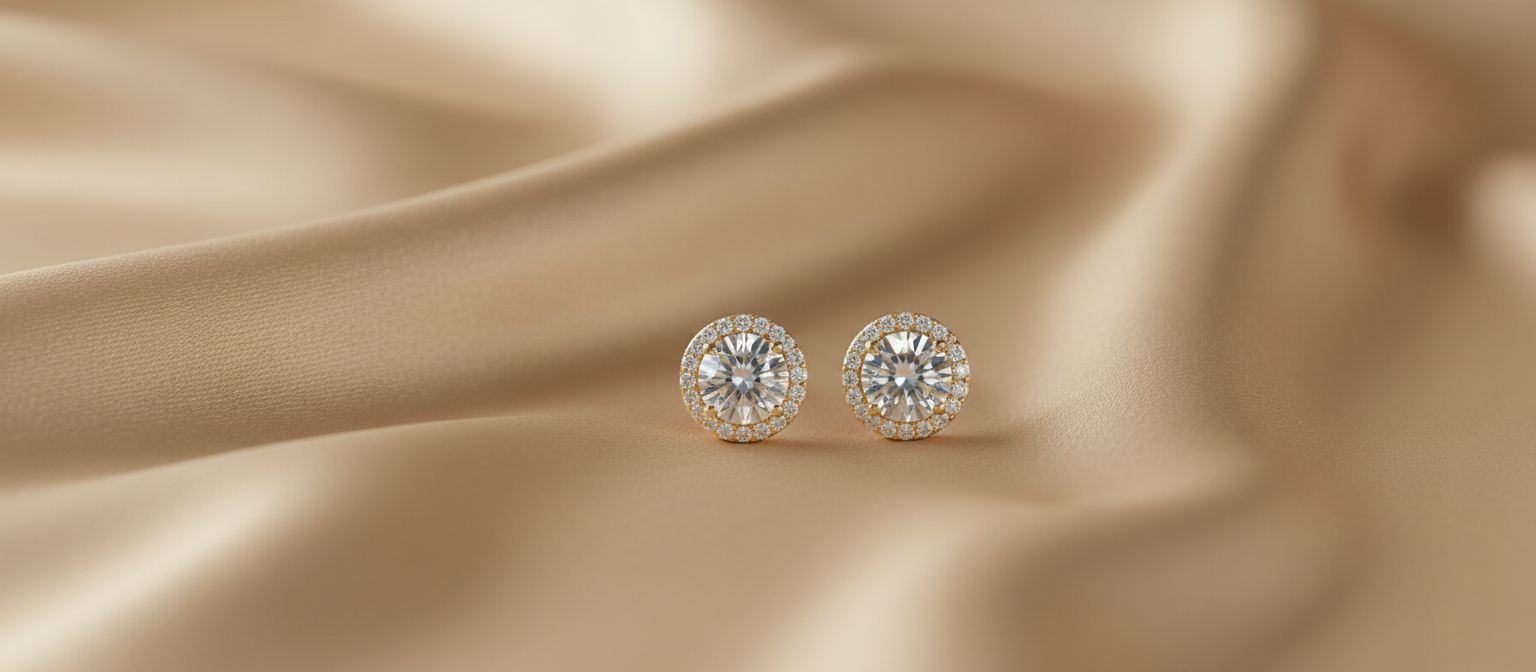
A halo engagement ring has smaller stones set around the centre stone to create a border.
A border of stones can give a design a lot more sparkle and visual detail.
It can also make the centre stone arrangement appear even larger.
Halo styles can work with plenty of different center stone shapes and sizes.

Hidden Halo
A hidden halo sets stones beneath the center stone in order to make a border that is visible from the side, but not from the top.
If you want additional sparkle, but don’t want the more obvious halo, you should consider this design.
Three-Stone Engagement Rings

Three-stone rings have a centre stone and two smaller stones on either side.
The stones can be the same size, or the center stone can be bigger, and the two side stones can be smaller.
Three stone designs can add symmetry and balance to your ring. Different shapes and sizes of stones can also be used.
The side stones also play a role in the overall look of the ring. Different shapes and sizes of side stones will alter the look in different ways.
Bezel-Set Engagement Rings

A bezel setting engages the gemstone by encasing it in a metal rim.
In comparison to the prong setting, where the stone is held in place by gracefully tipped metal fingers, a bezel creates a more enclosed perimeter for the gemstone.
What are the advantages of a bezel setting?
Modern and Minimalist Engagement Rings.
Why choose a bezel setting?
A bezel can offer:
- A clean, modern appearance
- A distinctive profile
- A smooth outline around the gemstone
- An alternative to traditional prong settings
Bezel settings can be particularly striking with modern or minimalist engagement-ring designs.
Prong Settings
Designs that utilize a prong setting consist of using small metal claws to hold the stone.
Four and six prong designs are the most common, but the designs can vary.
Prong settings have metal that is minimised around the center stone, allowing for more of the stone to be exposed.
Prongs can be incorporated into many styles of engagement rings, including solitaire, three stone, and halo.
The design and number of prongs will affect the overall look and structure of the ring.
For details on individual pieces of a ring, see Taniah Jewellery's Ring Design Basics.
Cathedral Engagement Rings
A cathedral setting resembles a design with shoulders that rise from the band to the centre stone.
This design, when viewed from the side, offers a beautiful outline that is both elevated and elegant.
Designs can be simple or can incorporate pavé diamonds, halos and other adornments.
Because the setting is elevated, it is important to think about how the engagement ring will sit next to the wedding band.
Pavé Engagement Rings
Small diamonds are closely set to one another along the entirety of the ring in a Pavé setting.
When it comes to an engagement ring, Pavé diamonds are often situated along the ring's band or the surrounding sections of the ring. Therefore, you get a continuous sparkle that is not impeded by much metal.
Classic Pavé Settings are not showy and therefore work well for understated yet still beautiful rings. However, with larger pavé diamonds, you can take center stage and draw lots of attention to yourself.
Channel-Set Engagement Rings
With this type of setting, diamonds or gemstones are placed in a channel made by the metal.
This style creates a neat, well-ordered design.
Channel settings may also be used for wedding bands.
They may appear suitable to those with a preference for an uncluttered design.
East-West Engagement Rings
This setting places a long centre stone horizontally instead of vertically.
It is often used for centre stones that are:
- Oval
- Emerald
- Marquise
- Pear
This orientation also creates a centre stone design that is contemporary and unique.
It is an excellent alternative if you want a design centred upon a gemstone that is a bit more modern.
Split-Shank Engagement Rings
Rings that have bevels toward the centre are called 'split-shank' engagement rings. Like anything, split-shank rings can have a variety of looks depending on how much of a gap you want between the two sides; there are even rings that are 'split' all the way through.
Using a split-shank design helps draw the eye to the centre stone by having the band 'sit' around the stone in an open and airy manner.
Rings that utilise pavé diamonds and halo settings work great with split-shank bands.
Cluster Engagement Rings
A cluster engagement ring is a design that groups smaller stones together to create a bigger stone effect.
Cluster designs can incorporate multiple stones of the same size, or can be designed with a central stone surrounded by smaller stones.
A cluster design can be used to create a focal-less central stone design. Cluster designs can easily echo vintage designs, but the incorporation of contemporary settings can give a cluster design an ultra-modern effect.
Three Popular Design Approaches
Rather than focusing on a ring name, it can be more useful to consider a ring’s overall design.
Classic - A classic ring design usually involves a relatively uncomplicated design and more timeless, traditional elements.
Romantic - More romantic designs may be softer and more decorative, and may feature curved lines, delicate pavé, halo designs and elaborate settings.
Modern - Modern ring designs may involve new combinations of metal types, unexpected settings, and less traditional stone orientations, such as east-west settings.
How Does Diamond Shape Affect Your Ring Style?

While the diamond and setting are two separate components of a ring, they each play an equally important role in the finished design.
The most popular, standard diamond shapes are:
- Round
- Oval
- Cushion
- Emerald
- Pear
- Marquise
- Radiant
- Asscher
The same diamond design can look worlds apart when placed in different settings.
An oval diamond, for example, can appear in a classic, single center stone setting, or BEWD (which means bezel set with diamonds), as one of several center stones in a three stone setting, or it can be the center stone in a geometric, east-west setting.
For this reason, it is necessary to consider both the diamond shape and the style of ring to find the most cohesive combination of the two.
Check out our 4Cs of Diamonds page to learn more about diamond quality and other important elements to consider when buying a diamond.
How to Choose the Right Engagement Ring Style

There is no one-size-fits-all approach to choosing the right style of engagement ring.
The first step lies in visualising the overall look you wish to achieve.
Prefer simplicity?
Then a one-gemstone or a simple bezel may be your choice.
Want more sparkle?
A pavé or Halo setting may interest you.
Prefer something meaningful?
Tri-stones can be designed to incorporate your chosen gemstones.
Want a contemporary appearance?
Contemporary styles include East-West, bezel, and split shank settings.
Want a timeless design?
Solitaire and classic three-stone styles remain versatile choices.
Your lifestyle should also be a determining factor. Consider how often you will wear the ring, your daily activities, and the comfort level of the setting.
How to Choose a Setting
There are a few things you need to look at when analysing settings:
How does it hold the centre stone?
The prongs of a setting should grip the gemstone. Some gemstone holders may be more or less secure.
How does it affect the appearance?
Some settings are more closed and conceal more of the stone, while some are more open and leave more of the stone exposed.
How high does the stone sit?
This can affect both how the ring lays on your hand and how it will pair with your wedding band.
How does it suit your lifestyle?
One of the considerations when designing a ring should be how the wearer interacts with it.
Does it suit your diamond shape?
Some diamond shapes are complemented by particular styles of setting, but there are many combinations that are considered acceptable.
Choosing a Wedding Band

When considering a wedding band, you also need to think about your centre stone setting, as they both need to pair well together.
A high-set solitaire may allow a straight wedding band to sit next to it.
A lower setting or a design with a wide halo will require more of a bent or curved wedding band.
The metal, width, and profile of the two rings can also be coordinated or deliberately contrasted.
For more assistance, take a look at Taniah Jewellery's Wedding Band Guide.
Can You Combine Different Styles?
Absolutely.
An engagement ring does not need to remain in just one category.
You could combine:
- A pavé shoulder solitaire with a hidden halo
- A three-stone cathedral setting
- A bezel setting with an east-west placement of a centre stone
- A classic style with a modern twist
One of the many benefits of knowing ring design elements is having this flexibility.
If you are interested in an alternative design, Taniah Jewellery's Custom Ring Journey can assist you in bringing your concept to life.
Frequently Asked Questions
What is the most popular engagement ring style?
Three-stone, halo and solitaire designs are some of the most well-known styles of engagement rings. While many consider the shape of the diamond, the best style is subjective to the individual's personal preference and lifestyle.
What is the difference between a ring style and a setting?
Style is the overall design of the ring, while a setting is the method and placement of stones in relation to the surrounding metal.
What is a solitaire engagement ring?
A solitaire engagement ring is designed with a single, central stone.
What is a halo engagement ring?
A halo engagement ring is designed with a central stone surrounded by smaller stones.
What is a bezel engagement ring?
A bezel engagement ring has a setting that incorporates a metal rim that surrounds the stone rather than the prong setting.
What is a cathedral engagement ring?
A ring with settings in the form of a central rim is referred to as a cathedral engagement ring.
What engagement ring setting is best?
There's no one setting that is best. That depends on your sense of style, the diamond shape you prefer, your personal needs, your lifestyle, and how you intend to wear the ring with your wedding band.
Can I customise an engagement ring style?
If you choose the right design, you can customize the center stone, setting, metal, band, and side stones along with personal engravings.
Find the Engagement Ring Style That Feels Right
There are many engagement ring styles to choose from. There are solitaires, halos, three-stone rings and many more modern style settings.
Understanding style, setting, and diamond shape really helps you differentiate your choices and identify what you really like.
Of course, you don't have to like a style just because it is popular. The most meaningful engagement ring is one that fits your style and your lifestyle.
At Taniah Jewellery, understanding your options is the first step towards creating or selecting an engagement ring that fits you perfectly.
Continue Your Ring Journey
Ring Design Basics
Learn the basics of an engagement ring to help you understand the centre stone and the setting, as well as prongs, the gallery, and the shank.
The 4Cs of Diamonds
Learn about diamonds and what to look for with cut, colour, clarity and carat.
Custom Ring Journey
Begin a personalised ring design.
Wedding Ring Guide
Learn more about choosing a wedding band that fits your lifestyle and complements your engagement ring.
Leave a comment